June 26, 2026

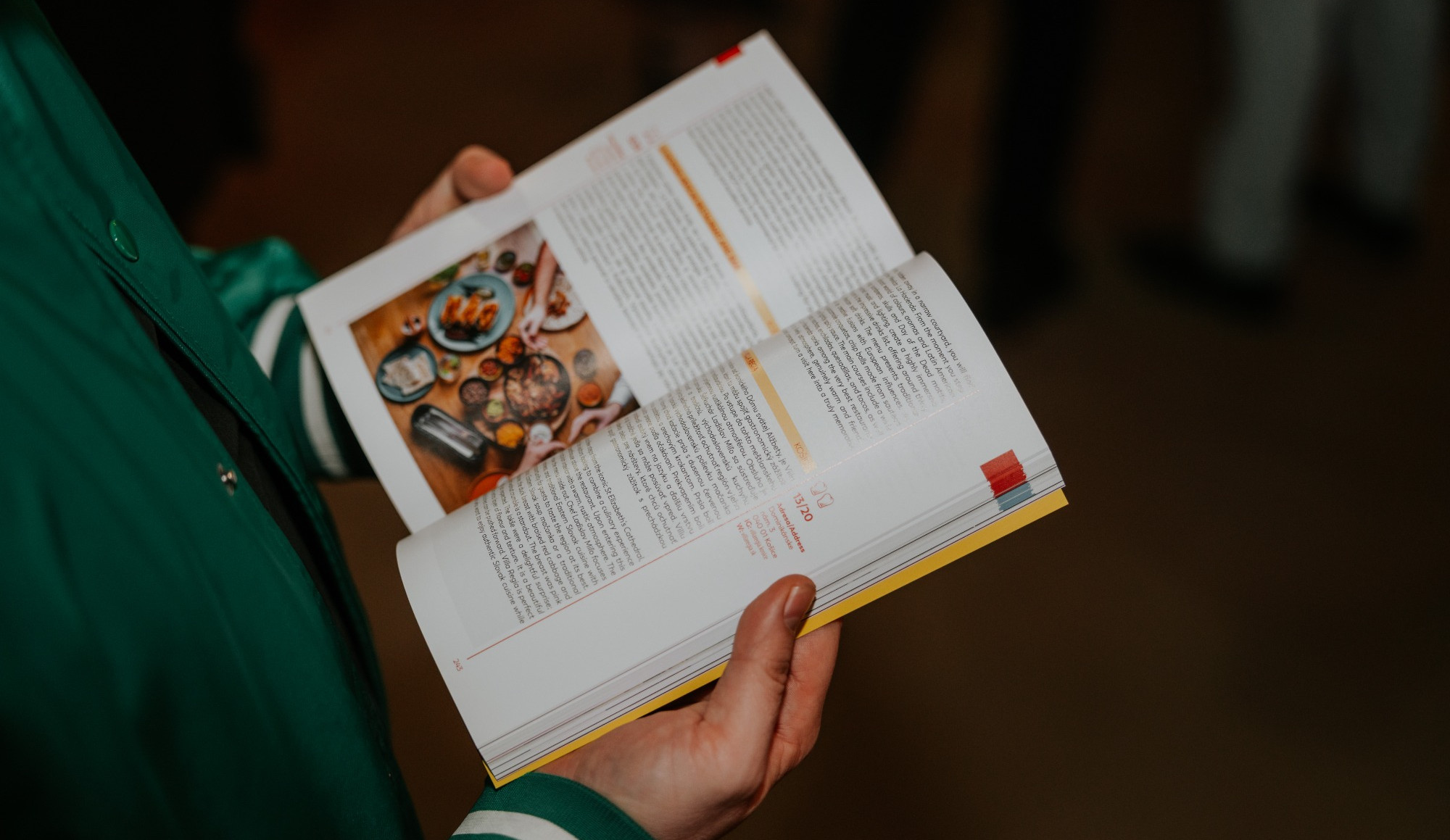
When browsing the Gault&Millau guide, you may notice the small red toques displayed next to restaurant names. The instinctive conclusion is obvious: the more toques, the better the restaurant. But the reality is a little more nuanced.
Gault&Millau evaluates restaurants on a scale of 1 to 20 points, inspired by the traditional French grading system. Trained inspectors visit restaurants anonymously, pay for their meals, and assess more than 70 different criteria during each visit. Points are awarded for everything from the quality of ingredients and culinary technique to presentation, service, beverages, cleanliness, atmosphere, and even the farewell—or lack thereof—at the end of the meal.
"The guide is far more than a superficial rating system. In my experience, it is one of the most precise and objective evaluation methods in gastronomy. The criteria are detailed enough to identify aspects that may be overlooked not only by guests, but sometimes by the restaurants themselves," explains Miroslav Lekeš, Chief Inspector of Gault&Millau Czech Republic.
The number of toques therefore represents a restaurant's category rather than simply indicating whether the food is more or less delicious—although every establishment included in the guide must meet Gault&Millau's standards.
To be included in the guide, a restaurant must achieve at least 10 points out of a possible 20. If a restaurant appears in a category below what its concept and ambitions suggest, it may simply mean that attention to certain details could help elevate it to the next level.
Restaurants that achieve at least 10 points appear in the guide without a toque, under the category Good Cuisine.
Being included in the guide is already an achievement in itself. These establishments offer simple but well-executed food, often rooted in everyday or traditional cooking, and are worthy of recommendation. This category frequently includes outstanding pubs, inns, and bistros committed to honest gastronomy.
The toque system begins at 11 points.
The category Interesting Cuisine (one toque, 11–12.5 points) recognises restaurants that bring a distinctive approach to everyday or traditional cooking and demonstrate a clear ambition to offer guests something beyond the ordinary. Not every evaluated aspect may be flawless, and some details may not yet be a priority for the establishment.
"This level reflects both the quality the restaurant has already achieved and its potential for future growth," says Miroslav Lekeš.
What is certain is that these restaurants offer something worth discovering.
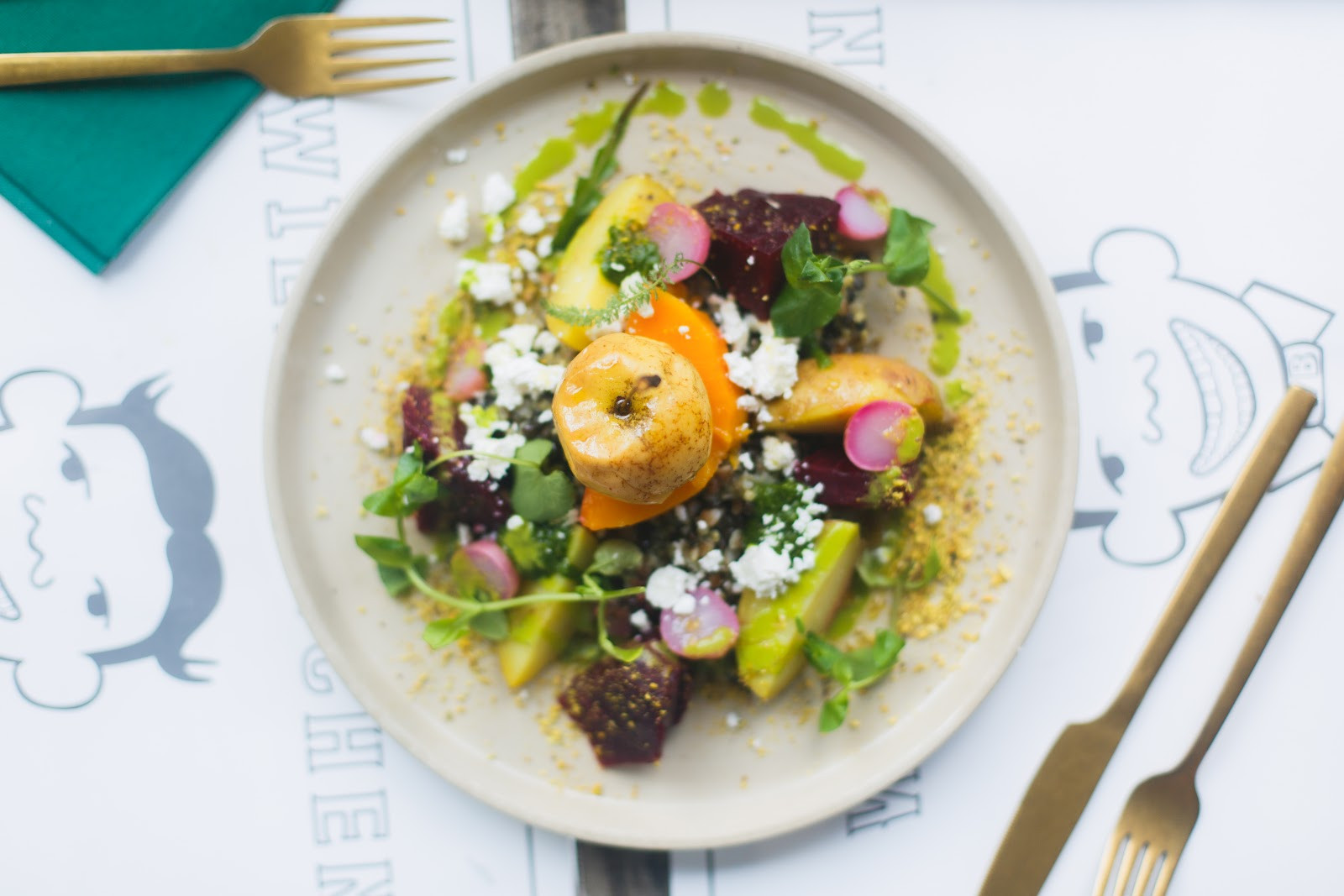
The category Signature Cuisine (two toques, 13–14.5 points) is awarded to restaurants with a strong individual identity, where creativity is combined with well-mastered technique and excellent service.
"This is where demanding food lovers begin to find real satisfaction. Each restaurant has a clearly defined concept that is reflected not only in the atmosphere but also on the plate," explains Miroslav Lekeš.
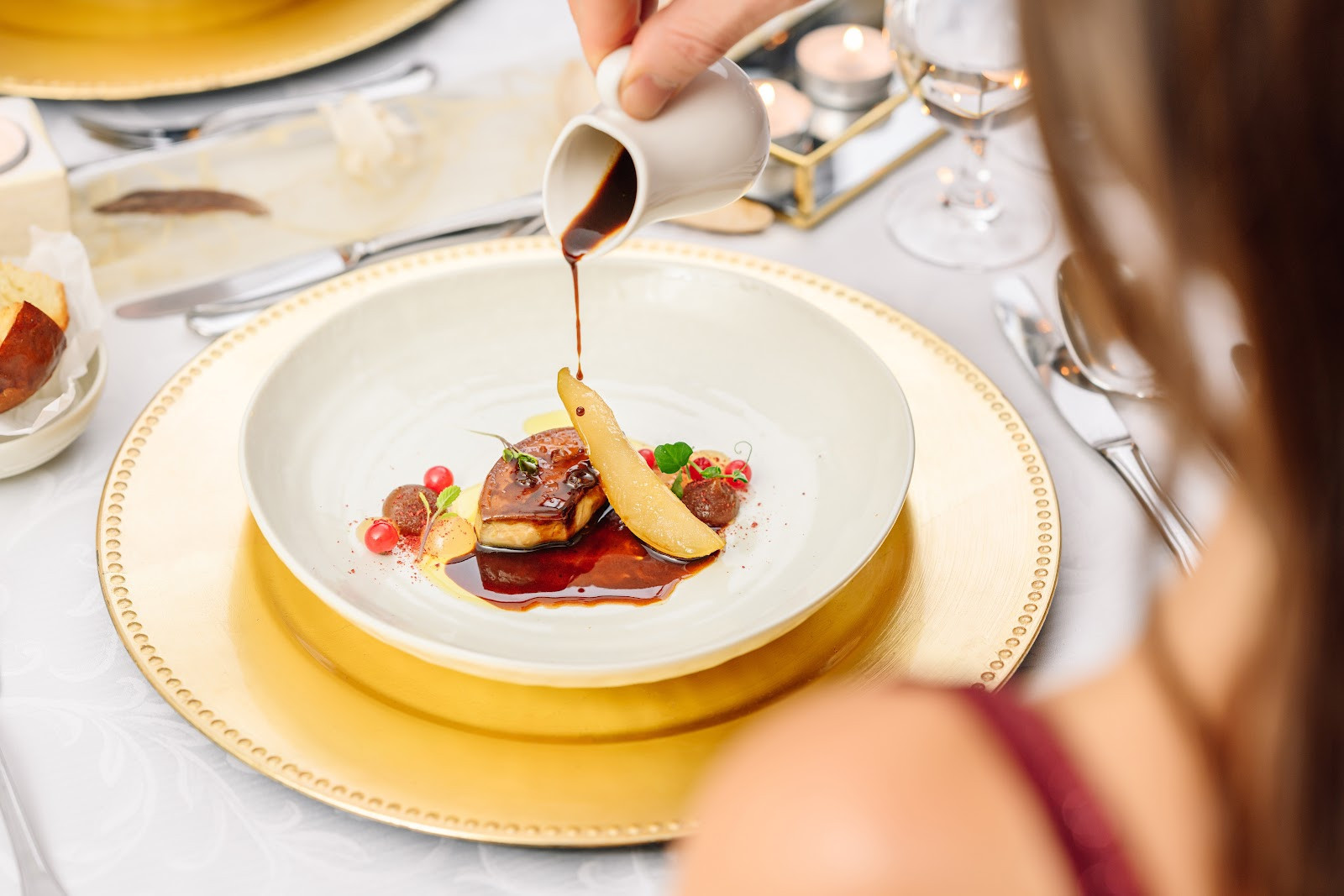
High-Level Cuisine (three toques, 15–16.5 points) signifies restaurants where hospitality is taken extremely seriously—from the very first interaction with guests through atmosphere, ingredient quality, creativity, attentive service, and the overall dining experience.
This is the level where fine dining truly begins.
"Restaurants at this level have already travelled a demanding path. Their chefs operate at a standard comparable to leading international chefs, and every detail matters. There is much to gain, but also much to lose. This is where the highest league begins," says Miroslav Lekeš.
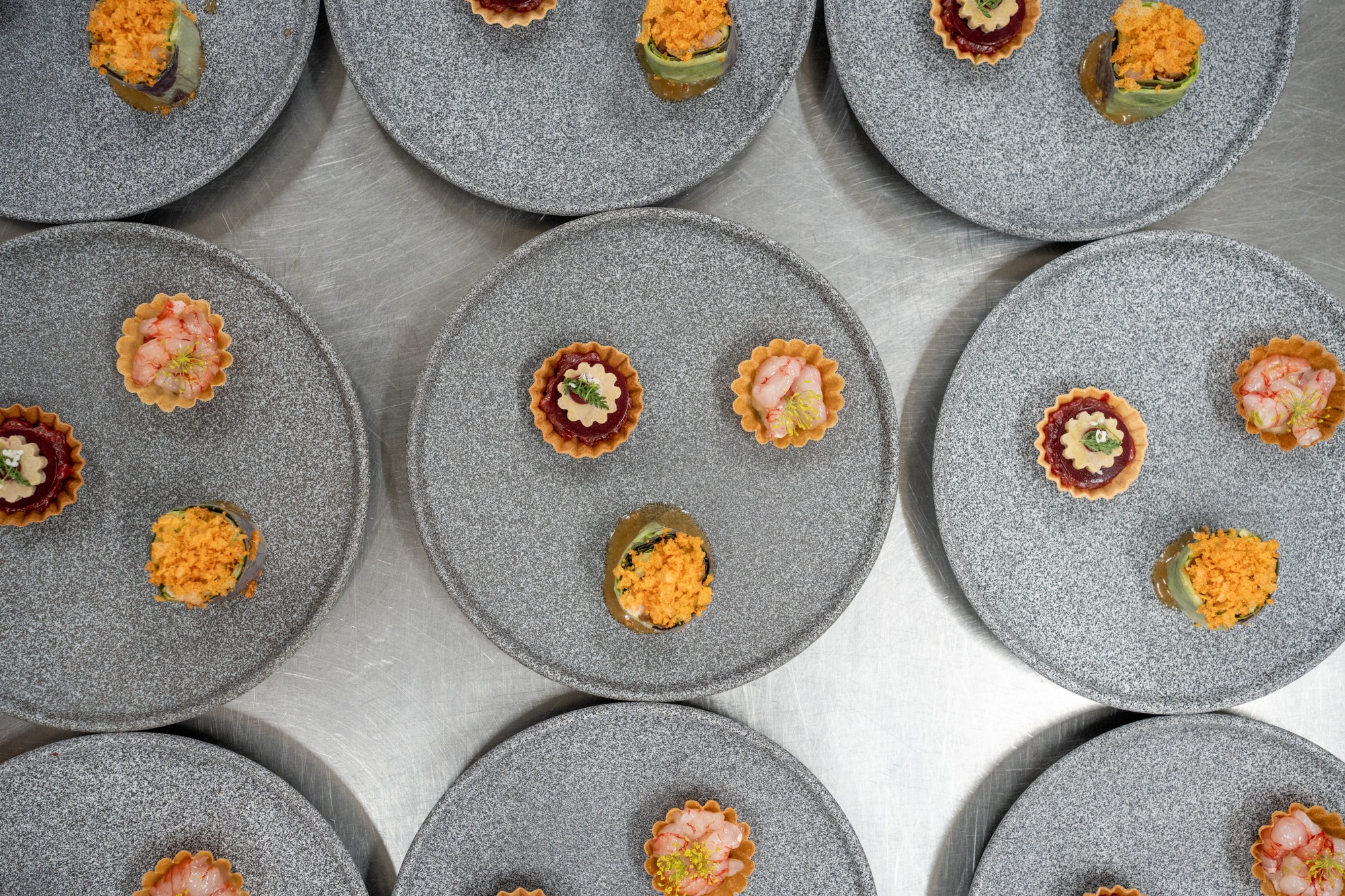
Very High-Level Cuisine (four toques, 17–18.5 points) represents the pinnacle of fine dining, where every detail—from the first plate served to the farewell at the door—meets the highest standards.
Guests take away not only a memorable meal, but also emotions and lasting memories.
"People visit these restaurants for the experience itself. Not every day, perhaps, but for moments that leave a lasting impression on both memory and palate. The chef's signature and creativity are present in every bite, while around you unfolds a performance that not only complements the food but becomes part of it. Anyone who loves great food should experience this level from time to time," says Miroslav Lekeš, Chief Inspector of Gault&Millau Czech Republic.
Exceptional Cuisine (five toques, 19–19.5 points) is reserved for only a handful of the world's finest restaurants—places that excel across every aspect of the dining experience and where inspectors find virtually no weaknesses.
A perfect restaurant does not exist, which is precisely why no establishment has ever been awarded the full 20 points.
The Czech Republic does not yet have a five-toque restaurant, but who knows what the coming years may bring?
The Gault&Millau system also includes the POP category, dedicated to unconventional bistros, street food concepts, wine bars, tapas bars, and similar establishments where concept, flavour, atmosphere, and personality matter more than traditional restaurant criteria.
"POP venues are places that almost everyone visits. They embrace informality, creativity, and a genuine focus on preparing food with care while putting the guest first. Every single one of them offers something distinctive and high-quality. One might say it is a category for younger generations, but I often meet plenty of my fellow boomers there as well," says Miroslav Lekeš.
So who is the guide for?
Quite simply, for anyone who wants to avoid a disappointing dining experience. It is equally valuable for those who know what kind of restaurant they are in the mood for and use the toque system as a guide.
Sometimes we crave something simple and comforting. At other times, we want to immerse ourselves in the craftsmanship of great chefs.
And that is exactly what Gault&Millau is all about.

Two Days of Inspiration, Expertise and Networking with the People Shaping the Future of Czech Gastronomy